
Restorative
Economics



Restorative Economics believes in the power of community.
It sees abundance in connection, creativity, and collaboration. It invites us to be curious, to witness what others are trying, and to imagine new possibilities for our lives, our neighborhoods, and the world.
✦
The economic system we’ve inherited doesn’t work for the vast majority of us.
Capitalism is harmful by design—especially for Black, Indigenous, and other communities of color who experience these harms as a result of generations of exploitation and systemic oppression.

Capitalism takes our energy, labor, and creativity and turns them into profit for the people in power while the rest of us are left scrambling. Entire communities are struggling just to get their basic needs met. The environment is being rapidly destroyed. And, the value of a person is measured in dollars instead of dignity.
As a framework for systems change, Restorative Economics offers a grounded, people-centered alternative to capitalism’s destructive path.


Guiding Principles of
Restorative Economics
At its core, the Restorative Economics framework is about returning power to the people, sharing resources equitably, and creating systems that cultivate safe, thriving neighborhoods for all.

Healing as
Essential

Acknowledging and healing internalized oppression equips us to participate in community decision-making and collective action.
Community Stewardship & Community Governance

Power belongs to the people. The wellbeing of the community is directly placed into the hands of the community.
Reclamation of Ancestral Knowledge

We draw on cultural and communal wisdom to guide how we manage resources, make decisions, and care for one another.
Power Building & Community
Self Determination

Communities build cultural, economic, and political power to shape the rules, norms, and resources that affect their lives.
Shared
Prosperity

By structuring projects, businesses, and resources for collective benefit, communities grow prosperity that is shared, sustainable, and generational.
Decolonization for
Liberation

Unlearning the systems, beliefs, and structures that were never designed for our liberation, and restoring the thread of interdependence between people and land.

Theory of Liberation
Restorative Economics works by supporting projects that are owned and run by the community—like worker-owned cooperatives, neighborhood land trusts, and local decision-making councils. These projects bring people together to share resources, create economic opportunities, and make decisions that directly affect their lives.

Community
Ownership
Community
Governance
✦
✦
Self-Determination for Political, Cultural, and Economic Power

Restorative Economics
in Practice
Living Examples of Transformation
01
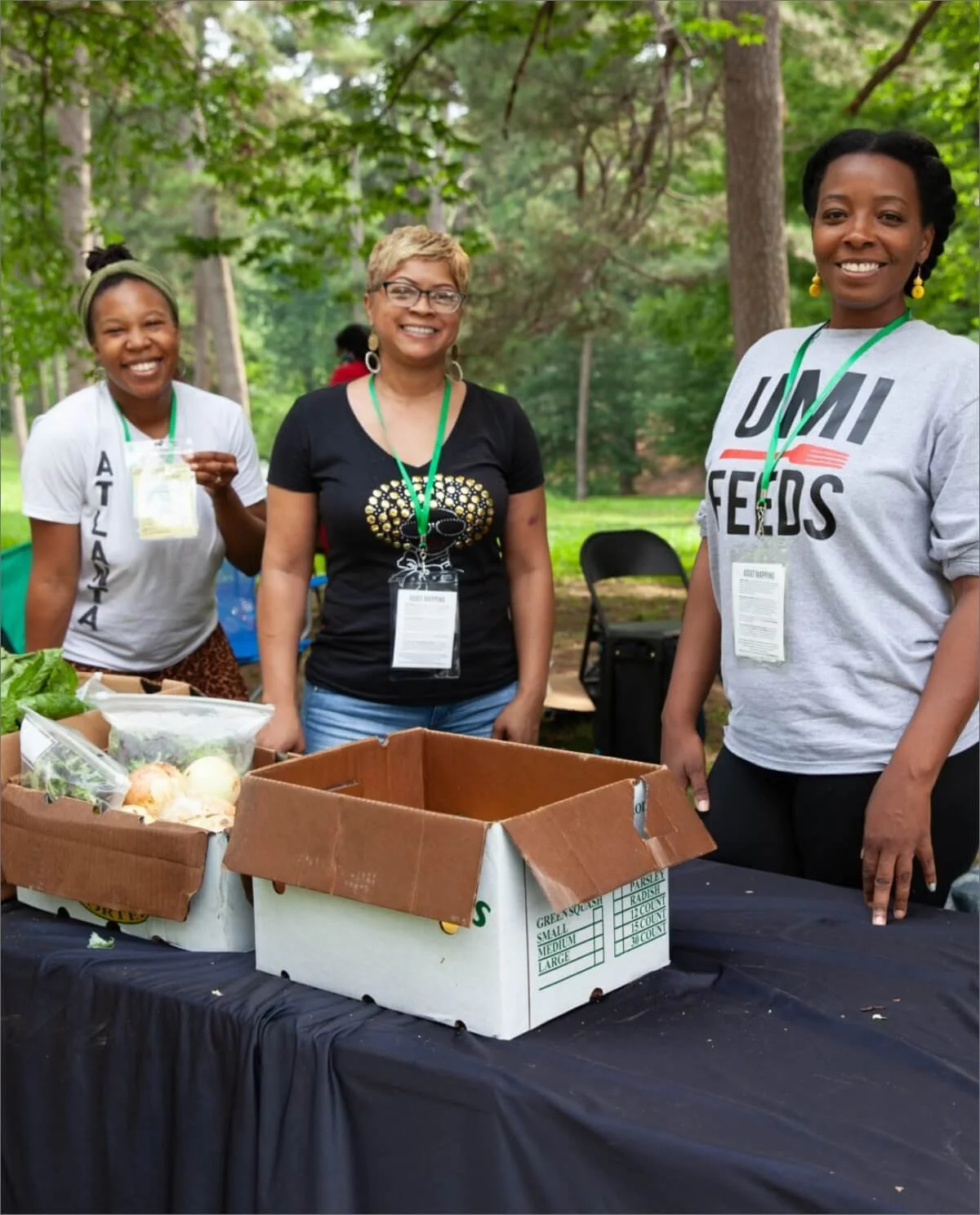
The Guild
ATLANTA, GA
The Guild develops community-owned models of land, housing, and real estate that put power back in the hands of the people.

→

02
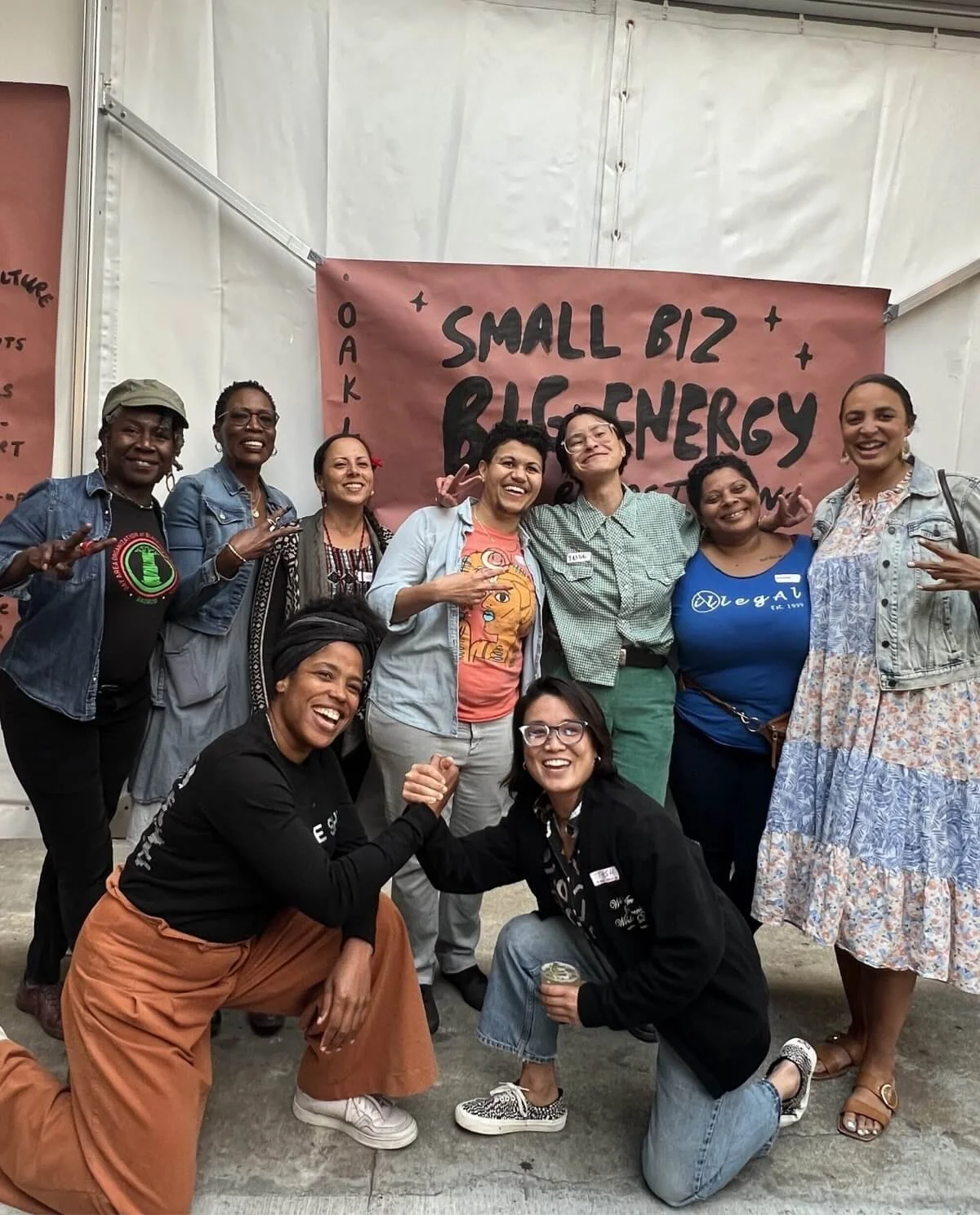
Restore Oakland
OAKLAND, CA
Restore Oakland advances community-governed projects that build political power, create shared economic prosperity and cultivate collective healing.

→
03
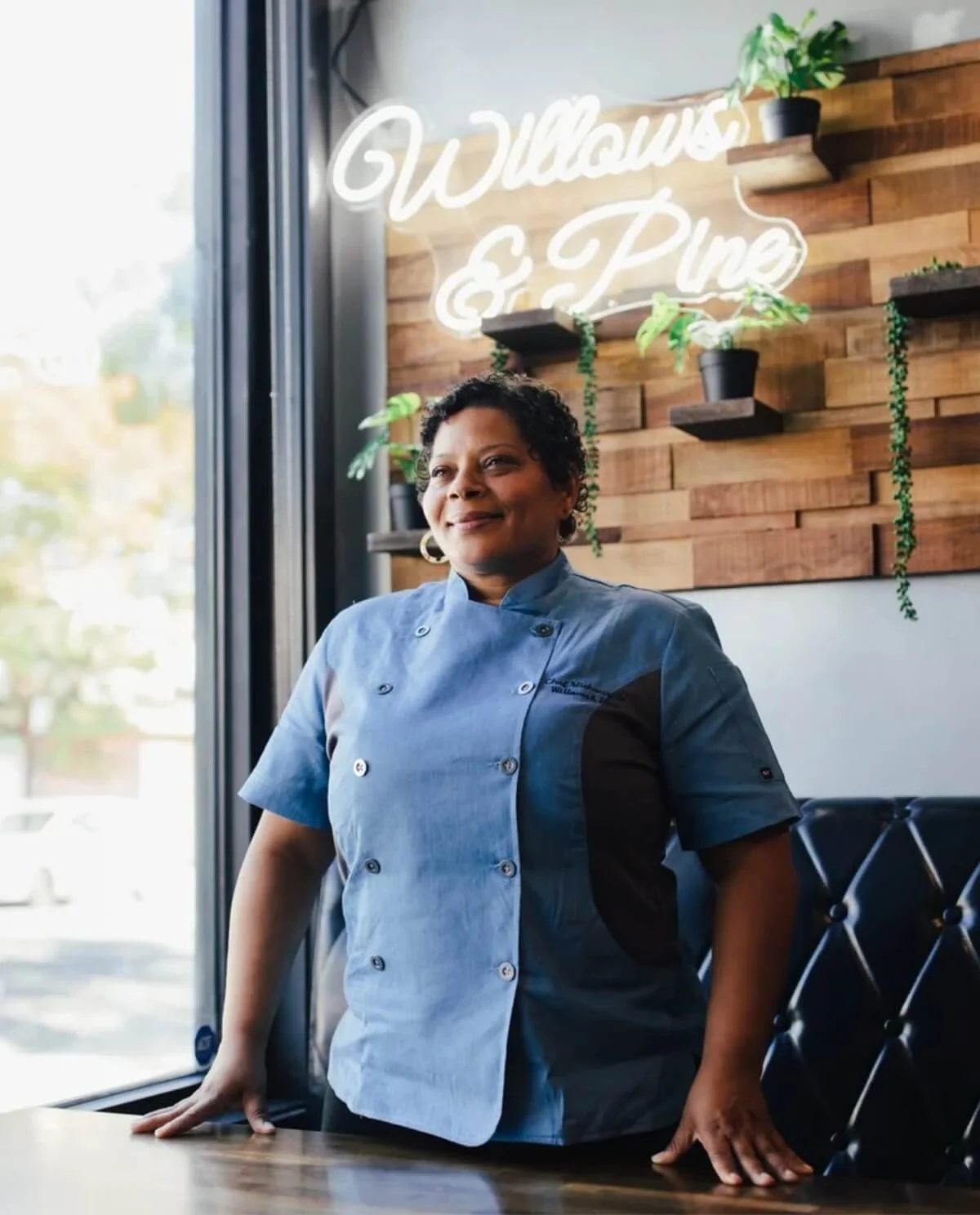
REAL People’s Fund
OAKLAND, CA
REAL People’s Fund is a community-powered fund and entrepreneurship program working towards a restorative and inclusive economy.

→
04
Boston Ujima Project
BOSTON, MA
Boston Ujima Project is a democratic, member-run organization building a cooperative business, arts, and investment ecosystem.

→

05
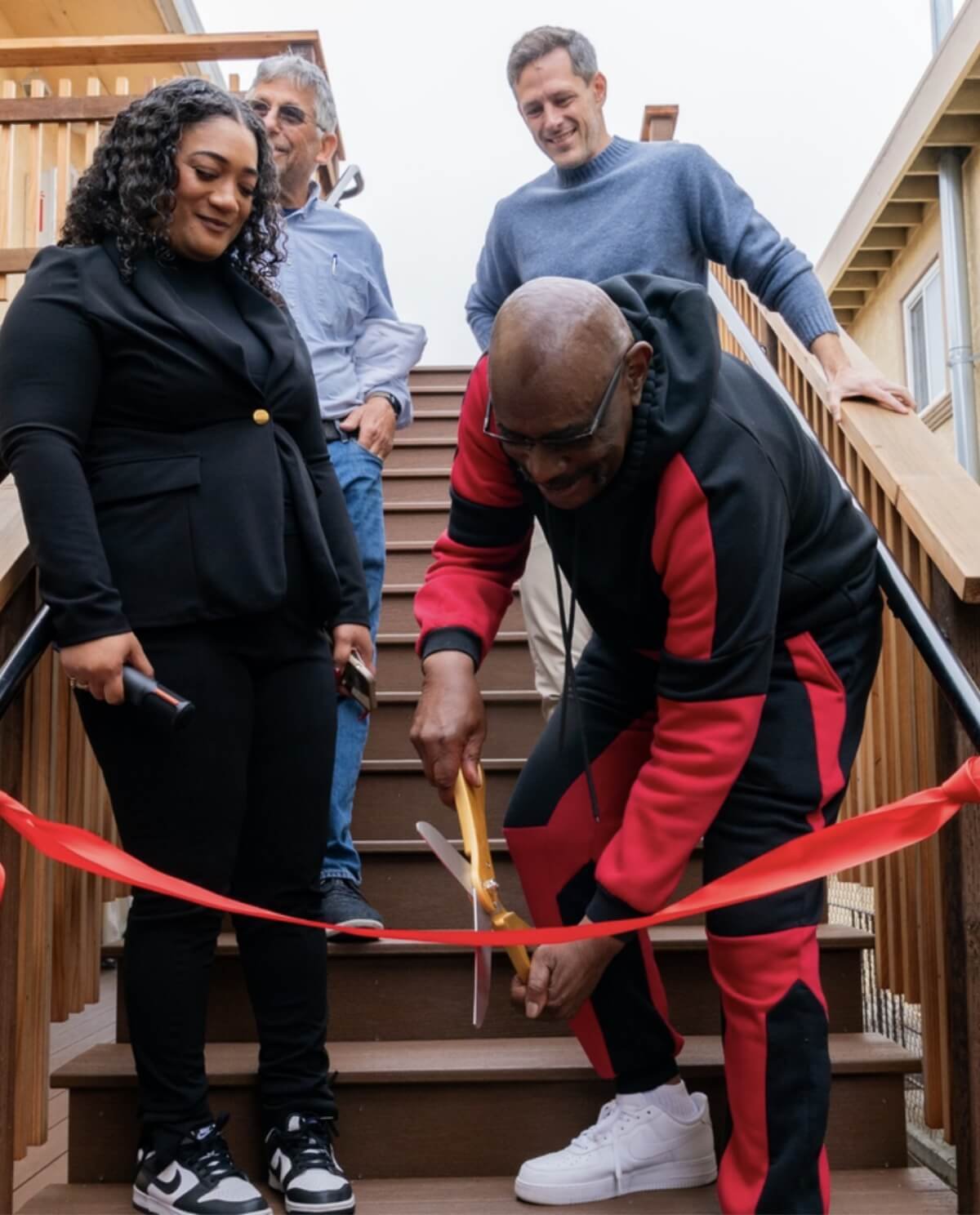
Richmond LAND
RICHMOND, CA
Richmond LAND removes land from the speculative market to protect homes for working-class families, and conserve land for long-term community needs—not corporate profit.

→
Power Up Your
Community
How to Engage with Restorative Economics

Community Members & Grassroots Organizers
Shape local governance, start cooperatives, influence resource allocation, and join or launch initiatives that strengthen shared decision-making.

Community Members & Grassroots Organizers
Shape local governance, start cooperatives, influence resource allocation, and join or launch initiatives that strengthen shared decision-making.

Community Members & Grassroots Organizers
Shape local governance, start cooperatives, influence resource allocation, and join or launch initiatives that strengthen shared decision-making.

Community Members & Grassroots Organizers
Shape local governance, start cooperatives, influence resource allocation, and join or launch initiatives that strengthen shared decision-making.

Community Members & Grassroots Organizers
Shape local governance, start cooperatives, influence resource allocation, and join or launch initiatives that strengthen shared decision-making.

Community Members & Grassroots Organizers
Shape local governance, start cooperatives, influence resource allocation, and join or launch initiatives that strengthen shared decision-making.